

Cambridge first-time home buyer / Updated October 2026 / Buyer guide
Cambridge first-time home buyer? Getting into your first home can feel exciting and overwhelming at the same time. Between mortgage pre-approvals, down payments, land transfer tax and government rebates, it is not always clear what you actually need.
I help first-time buyers in Cambridge navigate these questions. This guide explains what to save, the programs that may reduce your costs, and the seven steps from your first mortgage conversation to getting the keys.
Cambridge First-Time Home Buyer Down Payment: How Much Do You Need?
The minimum down payment is based on the purchase price, not on whether you have owned a home before. In Canada, the rules are:
- 5% on the first $500,000 of a home's price.
- 10% on the portion above $500,000 and below $1.5 million.
- 20% when the home costs $1.5 million or more.
For a Cambridge first-time home buyer, that produces the following examples:
| Purchase price | Minimum down payment |
|---|---|
| $500,000 | $25,000 |
| $650,000 | $40,000 |
| $800,000 | $55,000 |
| $950,000 | $70,000 |
These are illustrations, not a claim about current Cambridge listing prices. You can confirm the rules on the Government of Canada's down-payment page.

Cambridge first-time home buyer mortgage insurance and amortization
With less than 20% down, most buyers need mortgage default insurance, sometimes called CMHC insurance. The premium is often added to the mortgage. In Ontario, however, the 8% provincial sales tax on the insurance premium is generally payable separately at closing. Ask your lender for a dollar estimate.
Eligible first-time buyers can choose a 30-year amortization on an insured mortgage. It can reduce monthly payments compared with 25 years, but increases interest paid over the life of the mortgage. A mortgage specialist can compare both.
How to check affordability beyond your minimum down payment
A Cambridge first-time home buyer should separate the amount a lender will approve from the monthly payment that actually fits their lifestyle. Your mortgage payment is only one part of ownership. Property taxes, home insurance, heating, hydro, internet, maintenance and, for some homes, condominium fees all affect what is left over each month.
Build two budgets: one for moving in and one for everyday living. In the first, include your deposit, down payment, legal fees, insurance-tax charges and moving expenses. In the second, estimate your full housing payment, transportation, groceries, debt payments and a regular emergency-fund contribution. If a property looks affordable only when everything goes perfectly, it may be too much of a stretch.
Mortgage lenders also assess qualifying income, debts, credit and the applicable mortgage stress test. Self-employed applicants and buyers with variable income may need extra documentation. Ask your mortgage specialist to show you how the numbers change if rates rise at renewal, a partner takes parental leave or you need an unexpected repair.
What is the difference between a deposit and a down payment?
The deposit is usually delivered shortly after an accepted offer, based on the contract's terms. It demonstrates your commitment and is generally credited toward the purchase price at closing. The down payment is the full amount of your own funds going into the transaction, including that deposit. For example, someone planning $40,000 down who has already delivered a $15,000 deposit would ordinarily need the remaining $25,000 toward the down payment at closing, plus separate closing costs.
Your lawyer will explain where the deposit is held and the consequences if the transaction fails to complete. Do not assume a deposit is automatically refundable: that depends on the agreement and the circumstances. Arrange access to the required funds before submitting an offer, since transferring savings from certain accounts or investments can take time.
Cambridge First-Time Home Buyer Rebates and Savings Programs
A Cambridge first-time home buyer may qualify for several programs. They have different rules, so eligibility for one does not automatically mean eligibility for another.
1. Ontario land transfer tax refund for a Cambridge first-time home buyer — up to $4,000
Ontario offers qualifying first-time home buyers a land transfer tax refund of up to $4,000. Your real estate lawyer can usually claim it when the purchase is registered. Cambridge does not charge Toronto's separate municipal land transfer tax.
For example, on a $650,000 purchase, the standard Ontario land transfer tax is $9,475. An eligible buyer receiving the full $4,000 refund would pay $5,475.
The Ontario refund has strict ownership, age and residency conditions. Read the Ontario first-time home buyer refund rules before estimating your closing funds.
2. First Home Savings Account (FHSA)
The FHSA combines tax-deductible contributions with tax-free qualifying withdrawals for a first home. Contribution limits are generally $8,000 a year and $40,000 over a lifetime per eligible person. A qualifying couple could potentially contribute $80,000 combined. Annual room begins only after you open your first FHSA, and carryforward is subject to limits.
If you are a Cambridge first-time home buyer preparing ahead, ask your financial adviser whether opening an FHSA now makes sense. The CRA explains the contribution-room rules.
3. RRSP Home Buyers' Plan — up to $60,000
For a Cambridge first-time home buyer, the Home Buyers' Plan (HBP) may allow eligible buyers to withdraw up to $60,000 from their RRSP for a qualifying home. An eligible couple could potentially withdraw $120,000 in total. The FHSA and HBP can be used for the same purchase if you meet both sets of rules.
HBP withdrawals must normally be repaid over 15 years. Notably, for first HBP withdrawals in 2026 through 2028, temporary repayment relief defers the start of the repayment period until the fifth year after the withdrawal year. Check the CRA Home Buyers' Plan guidance for your exact timeline.
4. First-Time Home Buyers' Tax Credit
Eligible buyers can claim the federal Home Buyers' Amount of up to $10,000 on their tax return. At the 2026 federal credit rate of 14%, that is worth up to $1,400 in federal tax savings, depending on tax payable and eligibility. It is a non-refundable tax credit, not a cash cheque at closing.
5. New construction for a Cambridge first-time home buyer: 2026 GST/HST relief
For a Cambridge first-time home buyer, purchasing a new build is different from buying a resale home. Qualifying first-time home buyers may receive up to $50,000 of federal GST/HST relief on new homes valued at $1 million or less. This first-time buyer rebate is reduced for eligible homes between $1 million and $1.5 million.
Ontario also has first-time buyer HST relief for eligible new homes. Separately, temporary 2026–27 programs for qualifying new-home purchasers can provide combined relief of up to $130,000, through Ontario's enhanced new housing rebate and its new-home affordability payment. The enhanced program generally applies to qualifying purchase agreements signed April 1, 2026 through March 31, 2027, with further construction and occupancy requirements.
Important: These are different programs with overlapping rules. The $130,000 figure is an upper limit, not an amount every buyer receives or a rebate to add on top of other HST relief. Have your lawyer or tax adviser verify the agreement and how rebates are credited before you sign.
See the federal first-time buyer rebate and Ontario's new-home affordability payment details.
How to choose the right first-time buyer savings program
Not every program makes sense in the same order. If you are buying soon, the FHSA may be useful where you have eligible contribution room and can meet qualifying withdrawal rules. If savings are already in an RRSP, the Home Buyers' Plan might provide another source of funds, but the future repayments deserve a place in your budget. If you buy a resale home, new-construction GST/HST rebates generally do not apply. Land transfer tax relief and the Home Buyers' Amount have their own eligibility tests.
Before moving money, check deadlines with your financial institution and ask a tax professional about deductions and withdrawals. An FHSA withdrawal, for instance, is not the same as withdrawing from an ordinary tax-free savings account. A Cambridge first-time home buyer who plans these details early can avoid scrambling for documentation immediately before closing.
Closing Costs Every Cambridge First-Time Home Buyer Should Budget For
Buying costs can vary considerably between a condominium and a freehold home. A condo purchase may involve status-certificate review and monthly common-element fees, while a detached house may justify more attention to the roof, drainage, heating system and future repairs. Neither option is automatically cheaper once long-term costs are included.
The down payment is not your only expense. A useful early planning estimate is 1.5% to 4% of the purchase price for closing costs, although your actual expenses can fall outside that range.
- Land transfer tax, after any first-time buyer refund.
- Lawyer's fees, disbursements and title insurance.
- Home inspection, if you arrange one.
- Sales tax on mortgage default insurance, where applicable.
- Property tax, utilities or condominium fee adjustments.
- Moving costs and a buffer for unexpected first-home expenses.
A Cambridge first-time home buyer should request a written estimate from both the lender and the lawyer instead of relying only on online calculators. Your lender may also need proof that you have enough savings available for closing.
A practical closing-cost example on a $650,000 home
Suppose a Cambridge first-time home buyer purchases a $650,000 resale home with the minimum $40,000 down payment. The Ontario land transfer tax would be approximately $9,475 before rebates. If the purchaser qualifies for the full $4,000 first-time buyer refund, the remaining land transfer tax is about $5,475. Add legal fees, any inspection cost, adjustments and applicable mortgage-insurance sales tax. The total funds needed at closing will be more than the $40,000 down payment alone.
This is a planning illustration rather than a quote. If the mortgage is insured, your lender should calculate the insurance premium and the tax payable on that premium. Your lawyer should provide a statement of adjustments and a closing funds request. Ask both professionals for their estimates early enough to transfer money without last-minute delays.
Keep an emergency fund after you get the keys
Buying the home is the beginning of ownership expenses. A furnace service call, plumbing leak, broken appliance or higher-than-expected utility bill can appear during the first few months. It is sensible to keep some cash accessible rather than putting every available dollar into a larger down payment. The appropriate reserve depends on your property's age, your income stability and the repairs you may face.
For condominium buyers, review what the monthly fee covers and whether special assessments could affect the budget. For freehold buyers, plan for maintenance such as gutter cleaning, snow removal, landscaping and eventual roof replacement. These are less exciting than touring homes, but they help make a first purchase sustainable.
Cambridge First-Time Home Buyer Guide: 7 Steps From Budget to Keys
Here is the process I recommend for someone buying a first property in Cambridge.
Review your budget and credit
Calculate a comfortable monthly payment, not just the bank's maximum approval amount. Check your credit history and avoid new debts while preparing to buy.
Get a mortgage pre-approval
Speak with a lender or mortgage broker before booking showings. A pre-approval can clarify your price range and may include a rate hold, although it does not guarantee final mortgage approval.
Choose your preferred Cambridge neighbourhood
Compare your commute, schools, amenities and property type. Galt, Preston and Hespeler offer different housing styles, while newer areas may be better suited to your preferences.
Tour homes with a local REALTOR®
We can review comparable sales, spot potential maintenance concerns and talk through condominium fees or other ownership costs. Ask about the buyer representation agreement and how compensation works before committing.
Make an informed offer
We discuss price, closing date, deposit and appropriate conditions. A financing or inspection condition may provide protection where the situation permits. Never waive conditions without understanding the risks.
Complete due diligence and finalize financing
Arrange any agreed inspections, supply documents to your lender and satisfy offer conditions by the deadlines. The deposit amount and delivery deadline are determined by the signed agreement.
Meet your lawyer and close
Your lawyer reviews documents, handles the title transfer and coordinates funds. After closing is completed and access is available, you receive the keys to your first home.
As a Cambridge first-time home buyer, you can also explore Cambridge-related pages and articles on this website or return to the main real estate homepage while planning your search.
How to compare homes without getting distracted by staging
When you tour properties, carry a short checklist and evaluate each home against the same criteria. Note the practical layout, natural light, storage, parking, condition of windows, age of major mechanical equipment and signs of water intrusion. A beautifully staged living room can hide the fact that the home needs substantial work. Conversely, a dated paint colour may be inexpensive to change if the fundamentals are sound.
Ask whether the property is a freehold, a condominium or another ownership structure. Review the listing details and confirm permitted uses rather than assuming a finished basement can legally be rented. For condo units, request relevant documents and discuss them with appropriate professionals. For older homes, ask about known upgrades, permits and previous issues; an inspection can help assess condition but does not guarantee there are no hidden problems.
A Cambridge first-time home buyer can use recent comparable sold properties to understand value instead of relying only on the asking price. I can help compare location, lot, parking, square footage, condition and sale timing. The objective is not simply to make the lowest offer; it is to make a decision you can support with evidence and afford afterward.
5 Mistakes a Cambridge First-Time Home Buyer Should Avoid
- Skipping pre-approval: You may spend time on homes outside your realistic borrowing range.
- Forgetting closing costs: Your lawyer needs funds beyond the down payment.
- Opening an FHSA late: Participation room starts when the account is opened, and unused room has limits.
- Waiving an inspection without weighing the risk: An older roof, damp basement or aging mechanical system can be expensive.
- Taking on new debt before closing: A car loan or large financed purchase may affect final mortgage approval.
Offer conditions and documents worth reviewing carefully
A first offer can include multiple moving parts: price, deposit, closing date, fixtures, rental items, inclusions and conditions. Financing and home-inspection conditions can reduce certain risks, when accepted by the seller. If you are buying a condominium, review whether the offer provides for appropriate status-certificate due diligence. Your specific conditions should be drafted and discussed with your real estate professional and lawyer.
Be cautious with verbal promises about repairs, appliances or possession dates. Important terms should appear in the written agreement. Confirm what happens to rented water heaters or other equipment, and whether the seller will remove unwanted items. On closing day, follow your lawyer's instructions for the final funds transfer and avoid changing jobs or taking on significant credit without speaking to your lender.
Where Should a Cambridge First-Time Home Buyer Look?
Cambridge includes the historic communities of Galt, Preston and Hespeler, along with newer subdivisions. There is no single best area for every first-time buyer. The right choice depends on the commute, price range, lifestyle and property type.
Before narrowing your search, compare likely monthly expenses, transit or Highway 401 access, parking, future maintenance and the time you expect to live there. Townhomes, condo apartments and semi-detached homes can each make sense in different situations.

Galt, Preston or Hespeler: choosing by lifestyle
In Galt, buyers may appreciate an established urban core, proximity to the Grand River and a mix of housing ages and architectural styles. An older property can offer character, but the condition of its foundation, electrical, plumbing and insulation deserves attention. Check the exact address for floodplain or other property-specific considerations rather than assuming all riverside locations have the same risks.
Preston offers established neighbourhoods and local amenities that may suit buyers seeking a particular commute or community feel. Hespeler can appeal to people who value access to the Highway 401 corridor, though actual travel times depend on the specific home and time of day. There are also newer developments elsewhere in Cambridge where buyers may compare contemporary layouts with different lot sizes and ongoing costs.
The best area for a Cambridge first-time home buyer is not necessarily the one with the newest home or the most attractive listing photos. Try the weekday commute, explore surrounding streets, check parking rules and assess services you actually use. If school boundaries matter, verify the current address-specific information with the relevant school board rather than relying on a listing description.
Condos, townhomes, semis and detached homes compared
A condominium apartment can reduce some exterior-maintenance responsibilities but introduces monthly fees and rules. A condominium townhome may offer additional living space while still requiring you to review the condominium corporation's financial health. A freehold townhome may have different maintenance obligations and, in some cases, shared-element arrangements. A semi-detached home provides a separate lot and wall-sharing arrangement, while a detached home usually carries more of the property's exterior maintenance directly.
Do not choose solely by purchase price. Compare the complete monthly and annual cost, the layout you need, storage, parking, accessibility and your plans for the next several years. A slightly smaller home that leaves room in the budget for savings and repairs may be a better first step.
Starter homes
Starter Homes for Sale in Cambridge Right Now
Ready to look? These searches show the types of homes many first-time buyers in Cambridge start with. Each opens my MLS® search site with the filters already set.

Condos under $450K
Condo apartments, the lowest-cost way into the market.
See listings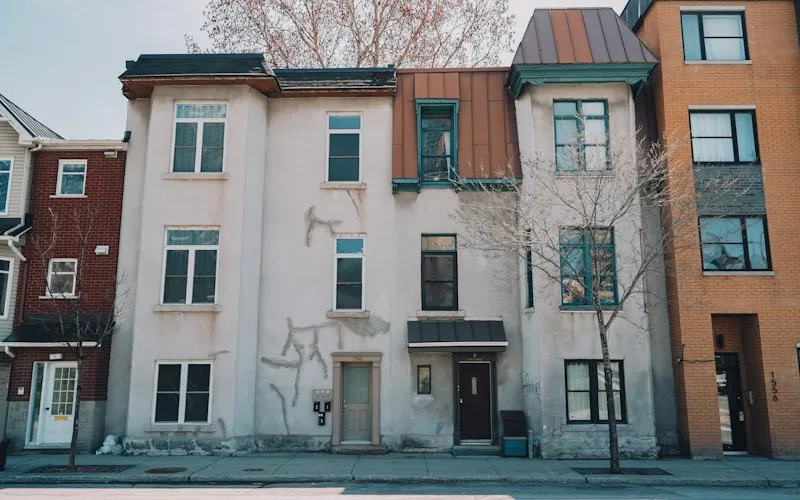
Condo townhouses under $550K
More space than an apartment, with outside upkeep covered.
See listings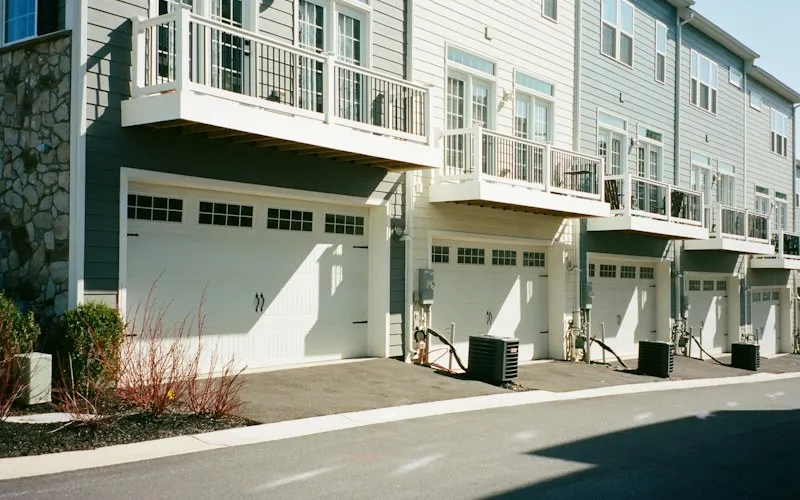
Freehold townhouses under $650K
No condo fees, your own front door.
See listings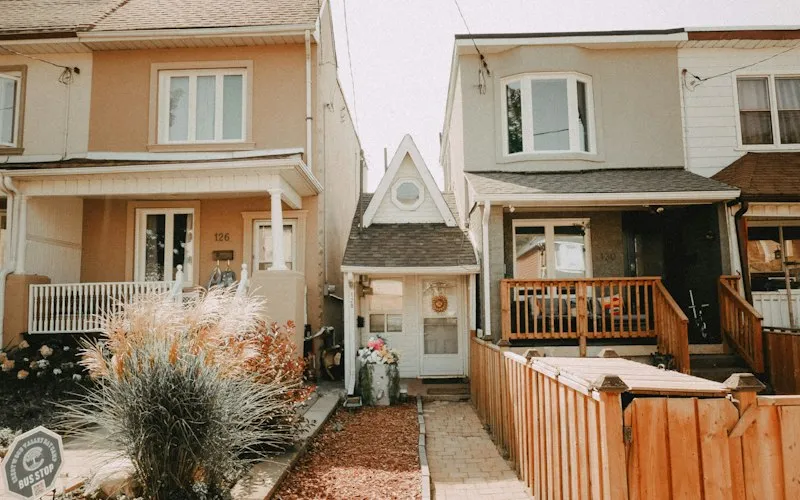
Semi-detached homes under $650K
One shared wall, a yard and a lower price than detached.
See listings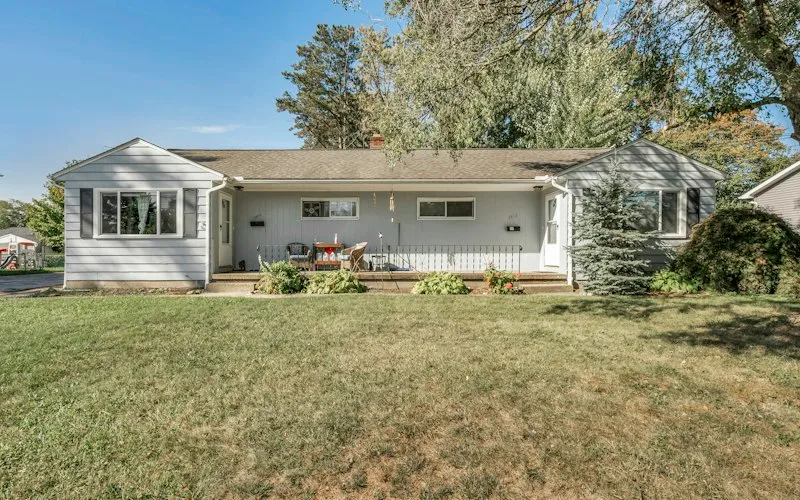
Detached houses under $650K
Often older homes in Preston and Galt.
See listings
Homes for rent in Cambridge
Not ready yet? Rent first and get to know the area.
See listings
Listings open on jeewansidhu.ca, my MLS® search site, updated regularly from the TRREB and Cornerstone (ITSO) MLS® systems. Information is deemed reliable but not guaranteed. Card photos are illustrative, not the actual listings.
Cambridge First-Time Home Buyer Frequently Asked Questions
Who qualifies as a first-time home buyer in Ontario?
The answer depends on the program. Federal FHSA, HBP and new-home rebate rules have different lookback periods and eligibility tests. Ontario's land transfer tax refund is stricter: generally, you cannot ever have owned a qualifying home anywhere in the world. Your lawyer and tax adviser should confirm your situation.
Can I buy with a 5% down payment in Cambridge?
Yes, a $500,000 home may qualify for a 5% minimum down payment, subject to lender requirements. Above $500,000, the minimum rises because the portion above that amount is calculated at 10% until $1.5 million.
How long does buying a first home take?
Many purchases take a few months from the initial mortgage conversation to closing. Once an offer is accepted, the closing date is negotiated in the agreement; it may be 30 to 90 days or another mutually agreed period.
Do I need a lawyer as a Cambridge first-time home buyer?
Yes. A real estate lawyer normally handles conveyancing, title registration, closing funds and applicable land transfer tax refund documentation.
Does the seller always pay my REALTOR® fees?
No. Seller contributions to buyer representation costs are negotiable. Your representation agreement sets out the compensation terms and when you may owe an amount. The Real Estate Council of Ontario explains representation agreements.
What if my mortgage pre-approval is higher than my comfort level?
Use your comfort level. Pre-approval is a lending estimate, not a spending target. A Cambridge first-time home buyer should factor in utilities, maintenance, transportation, savings goals and potential income changes before selecting a search range. Ask your lender to provide payment illustrations at more than one purchase price.
Should I buy a resale home or a new construction home?
Both can be reasonable. Resale properties allow you to assess an existing neighbourhood and often have an established physical condition to inspect. New construction may offer updated layouts and eligible rebates, but completion dates, warranty coverage, taxes, upgrades and builder contract clauses require careful review. Have a lawyer familiar with new-build agreements examine the contract before you commit.
What should I do during the first month after closing?
Confirm your home insurance is active, change locks if appropriate, photograph meter readings, organize utility accounts, locate the main water shutoff and review smoke and carbon-monoxide alarm requirements. Store legal and mortgage paperwork safely. Start a maintenance calendar and keep some money aside for unexpected expenses. A simple routine early on makes homeownership less stressful.
Cambridge First-Time Home Buyer Checklist Before You Make an Offer
Before making an offer, a Cambridge first-time home buyer should be able to answer the following questions. You do not need to become an expert in real estate contracts or lending, but you should know which professional is responsible for each decision.
- Finances: Do I have written mortgage guidance, a realistic monthly budget and accessible funds for the deposit, down payment and closing costs?
- Programs: Have I checked the FHSA, HBP, tax-credit and land-transfer-refund rules that might apply to me?
- Property: Have I compared recent local sales and reviewed the property's condition, taxes, fees and important disclosures?
- Representation: Do I understand my brokerage agreement and any commission obligations?
- Offer: Am I comfortable with the price, deadlines, conditions, deposit, inclusions and closing date?
- After closing: Will I still have an emergency fund and room for maintenance in my monthly budget?
Buying a first home should feel like a series of informed decisions, not a race to the finish line. My role is to help you understand the Cambridge market, review suitable homes and work through each stage with your lender and lawyer. Good preparation allows you to move confidently when the right property becomes available.
Ready to Plan Your First Home Purchase?
If you are a Cambridge first-time home buyer, I can help you understand neighbourhoods, plan showings and work through the offer process. I also work with buyers in Kitchener, Waterloo and nearby communities and can assist in English, Punjabi, Hindi or Urdu.
Call or text: 647-806-0747. You can also visit my homepage to find other ways to get in touch.
Information last reviewed: October 29, 2026. This article is general information, not legal, tax or mortgage advice. Program eligibility, pricing and financing terms should be verified with the relevant government agency and licensed professionals before you purchase.
📅 Last updated: